

Indolence vs Insolence: What’s the Difference?
Indolence and insolence are two easily confused words because they have similar spellings and both describe undesirable behavior. However, their meanings are completely different. Indolence … Read More
Indolence and insolence are two easily confused words because they have similar spellings and both describe undesirable behavior. However, their meanings are completely different. Indolence … Read More
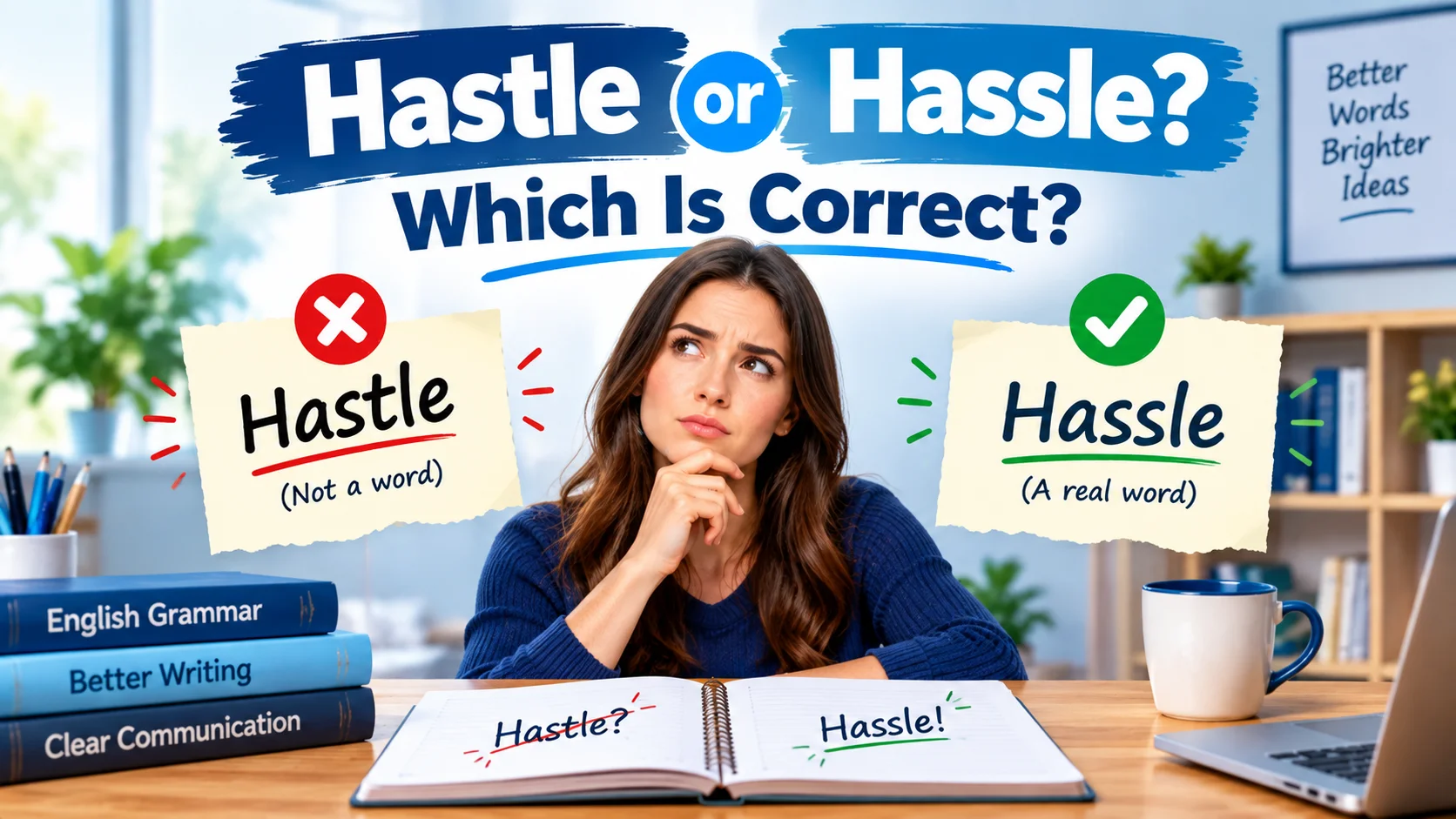
Hassle is the correct spelling. Hastle is a common spelling mistake that occurs when people try to write the word the way they think it … Read More
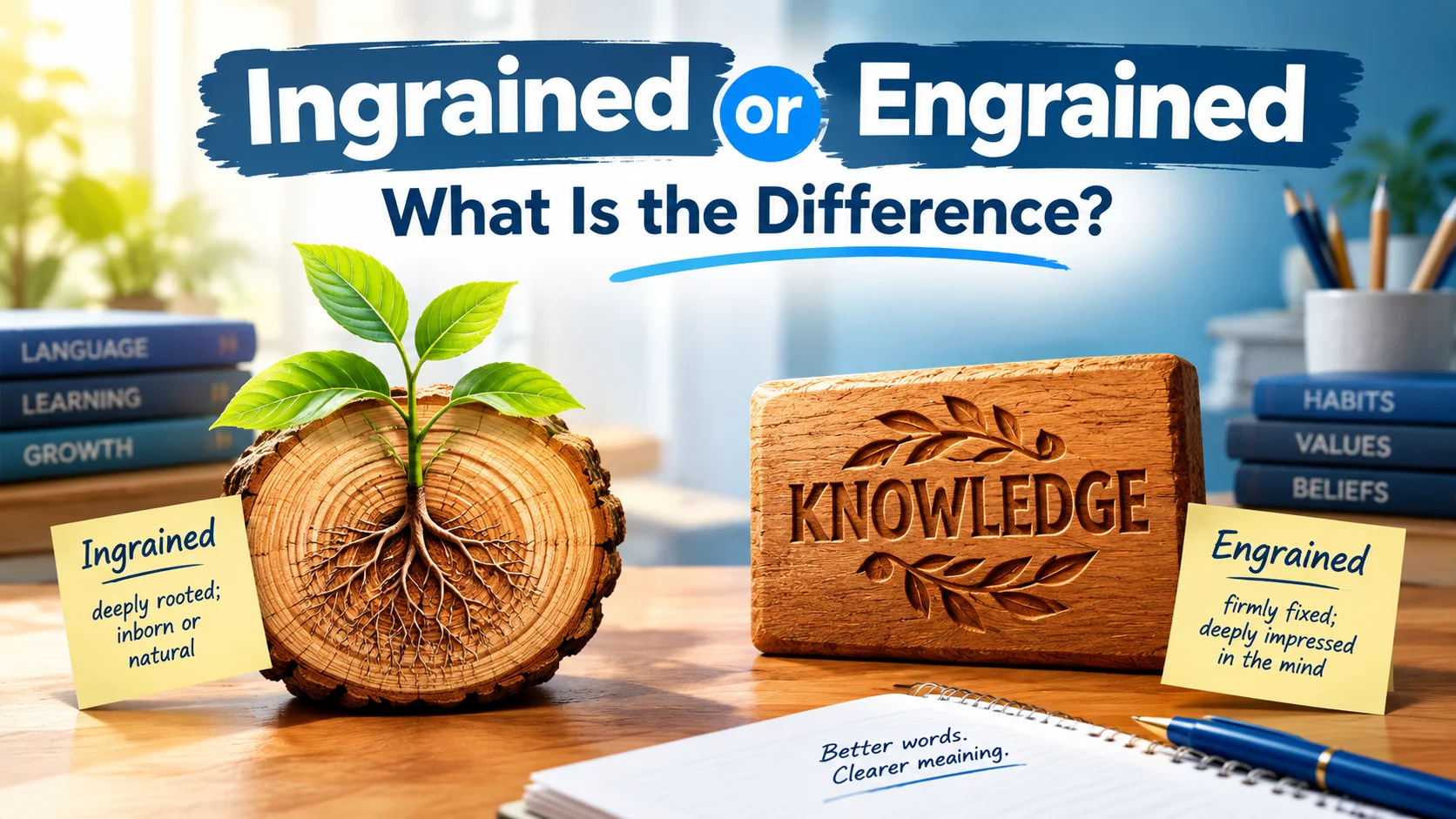
Ingrained and engrained are two spellings that often confuse because they look and sound similar. Both forms appear in English, but they do not have … Read More
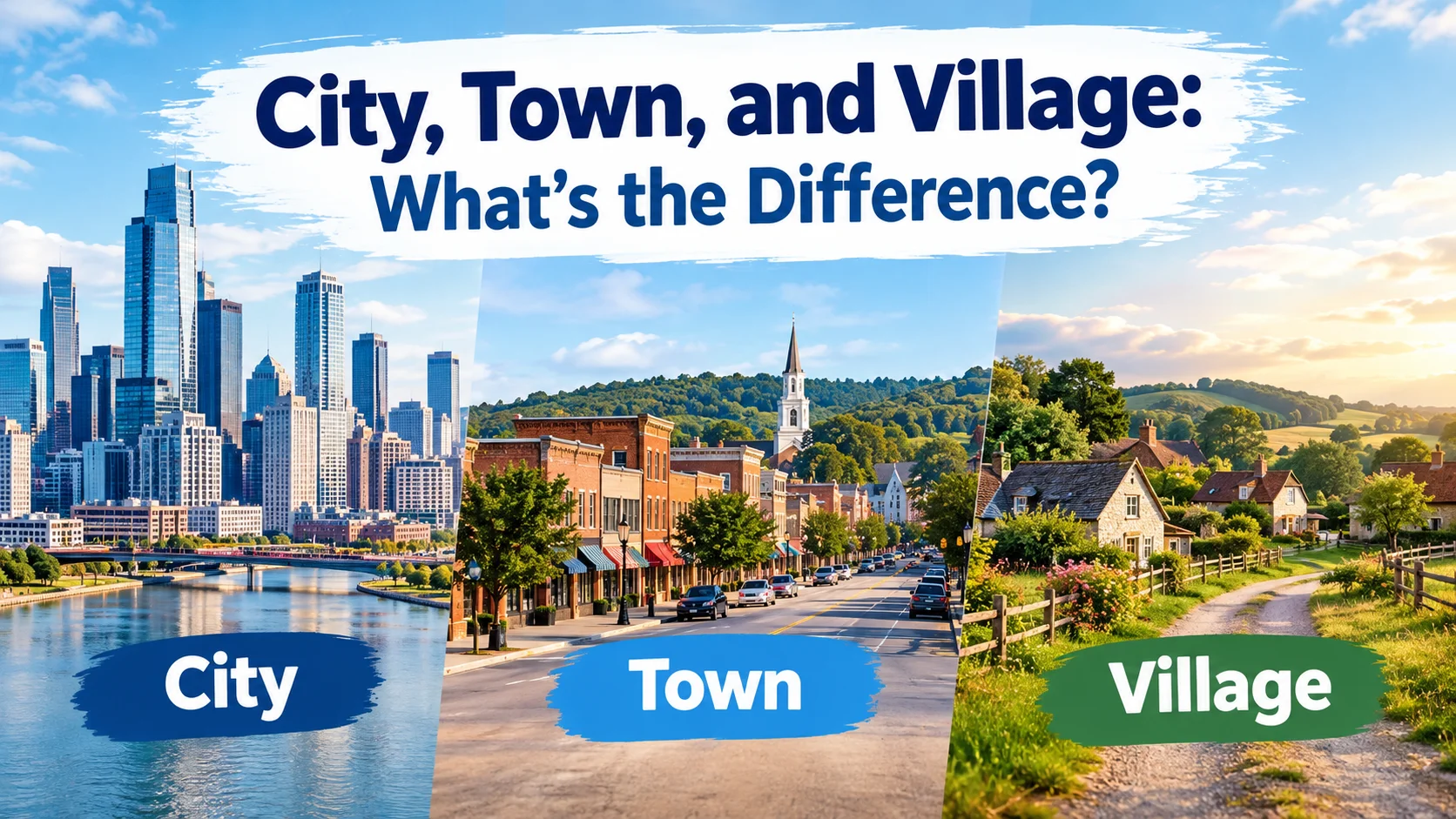
If you have ever wondered about the difference between a city, town, and village, you are not alone. These three words all describe human settlements, … Read More
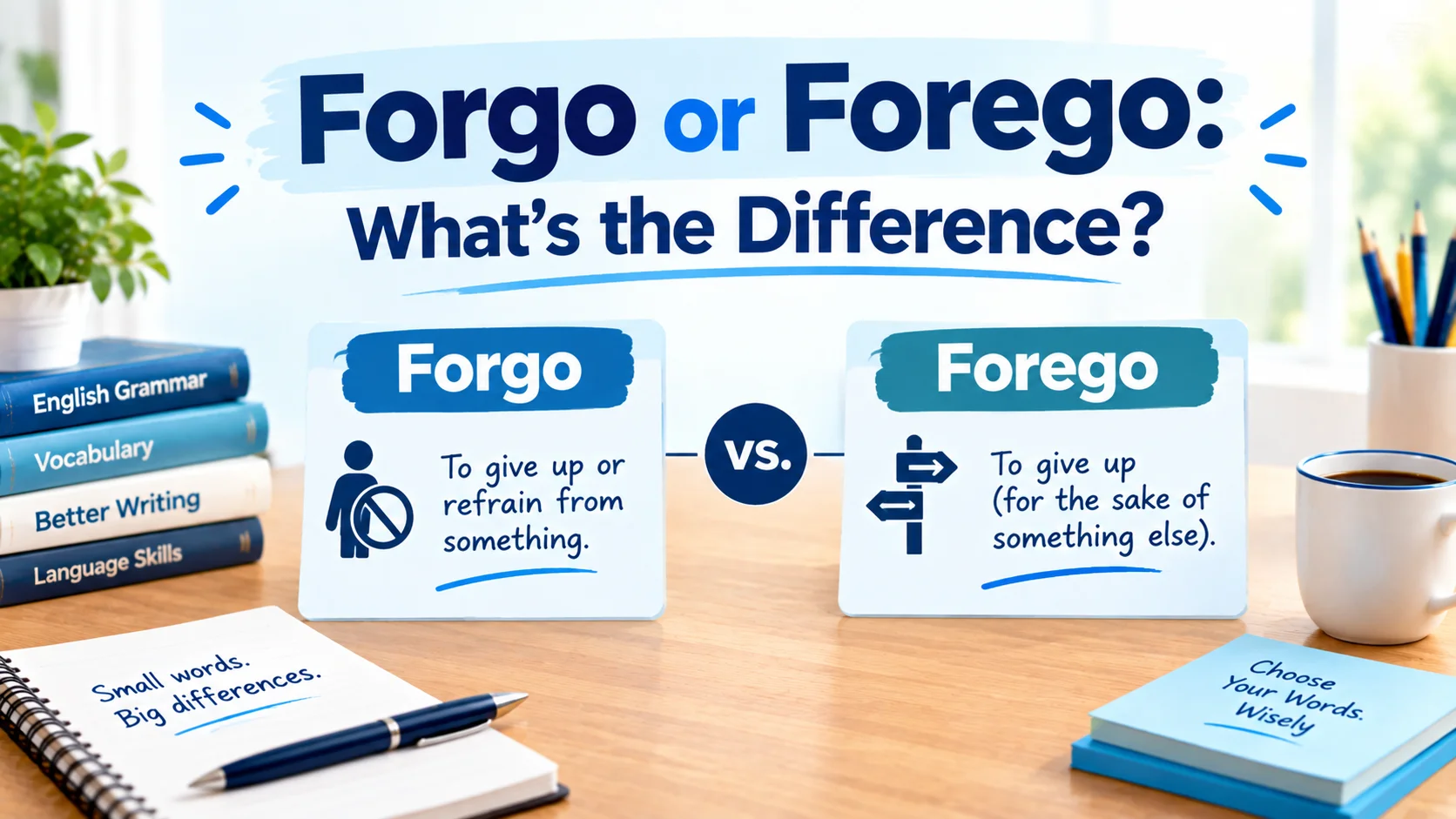
Forgo or forego is a common English word-choice problem because the two words look almost identical. However, they have different meanings, and choosing the wrong … Read More
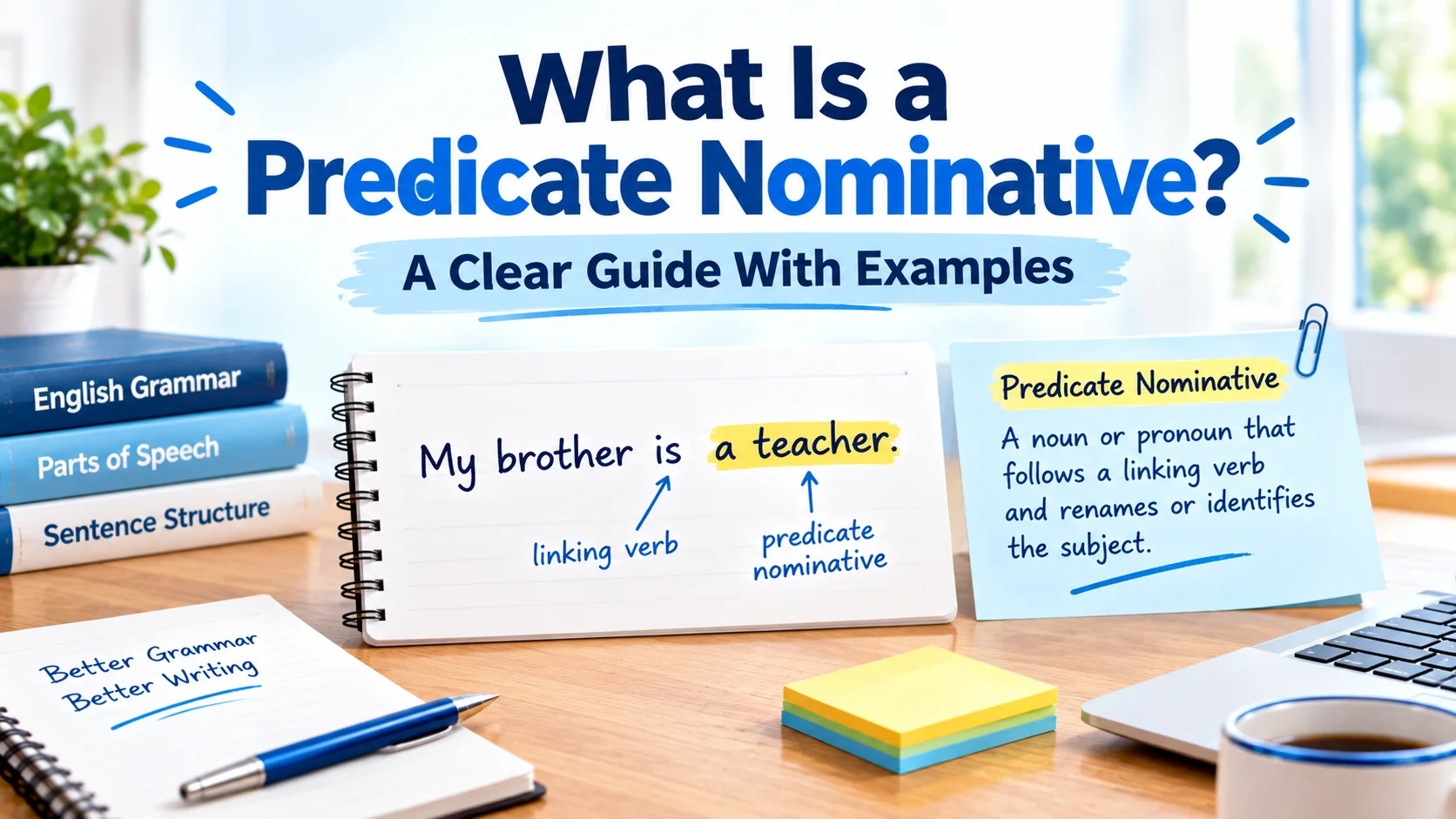
A predicate nominative is a noun or pronoun that follows a linking verb and identifies or renames the subject of a sentence. It is an … Read More
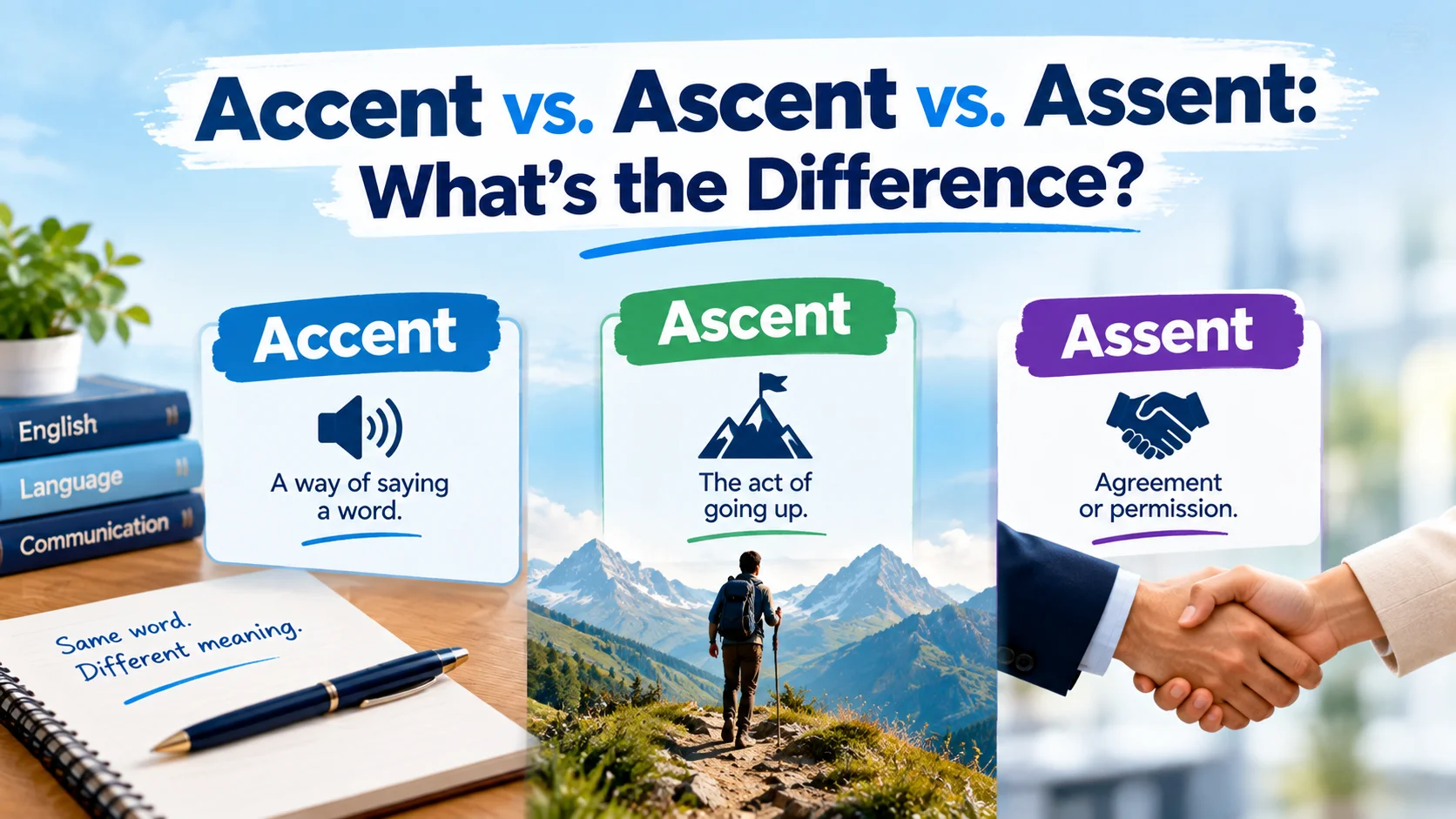
Accent, ascent, and assent are three commonly confused English words. They sound similar, especially in some accents, but they have different meanings, grammatical roles, and … Read More
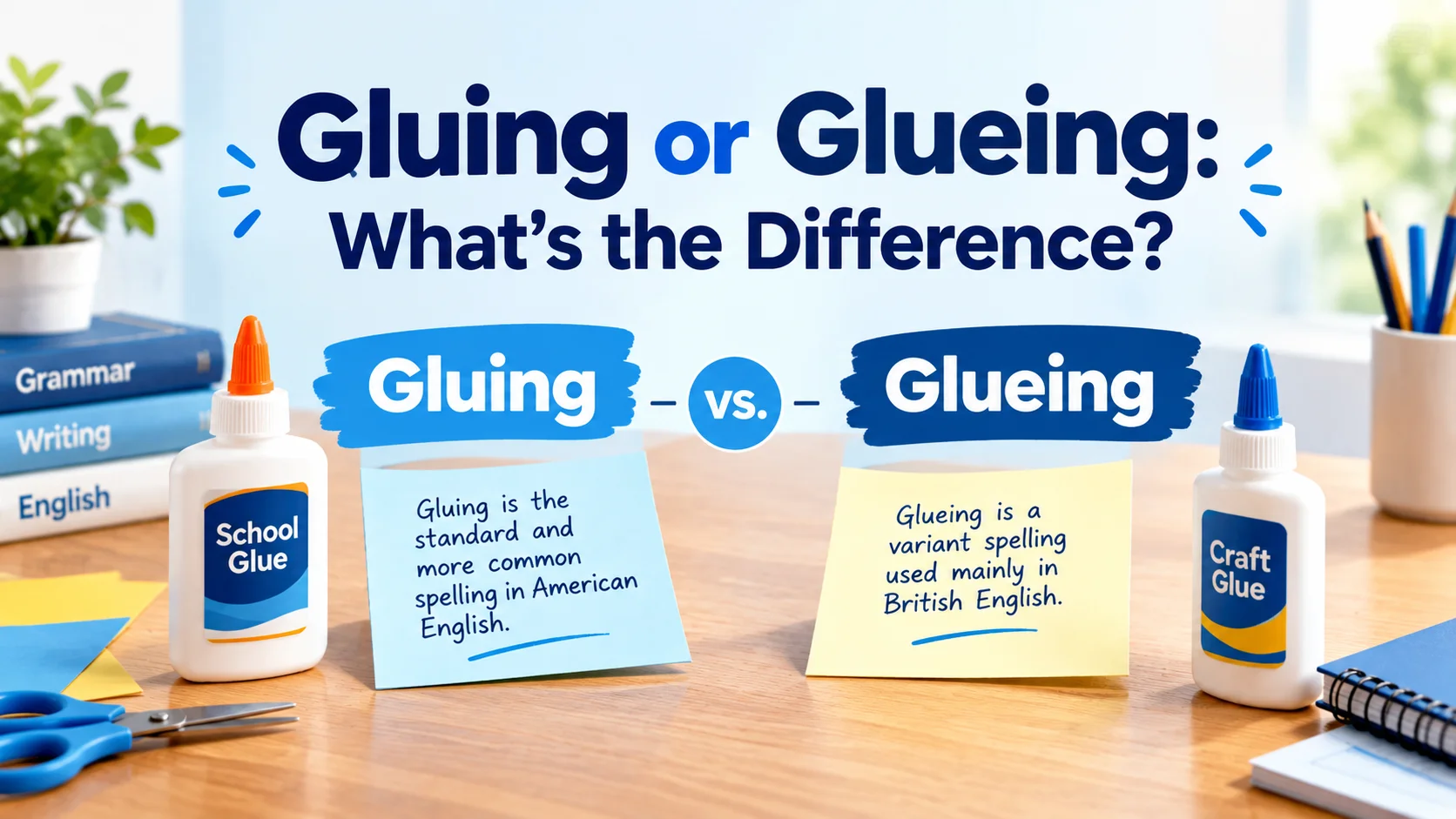
When you need to describe the act of joining something with glue, should you write gluing or glueing? This spelling question often confuses people because … Read More
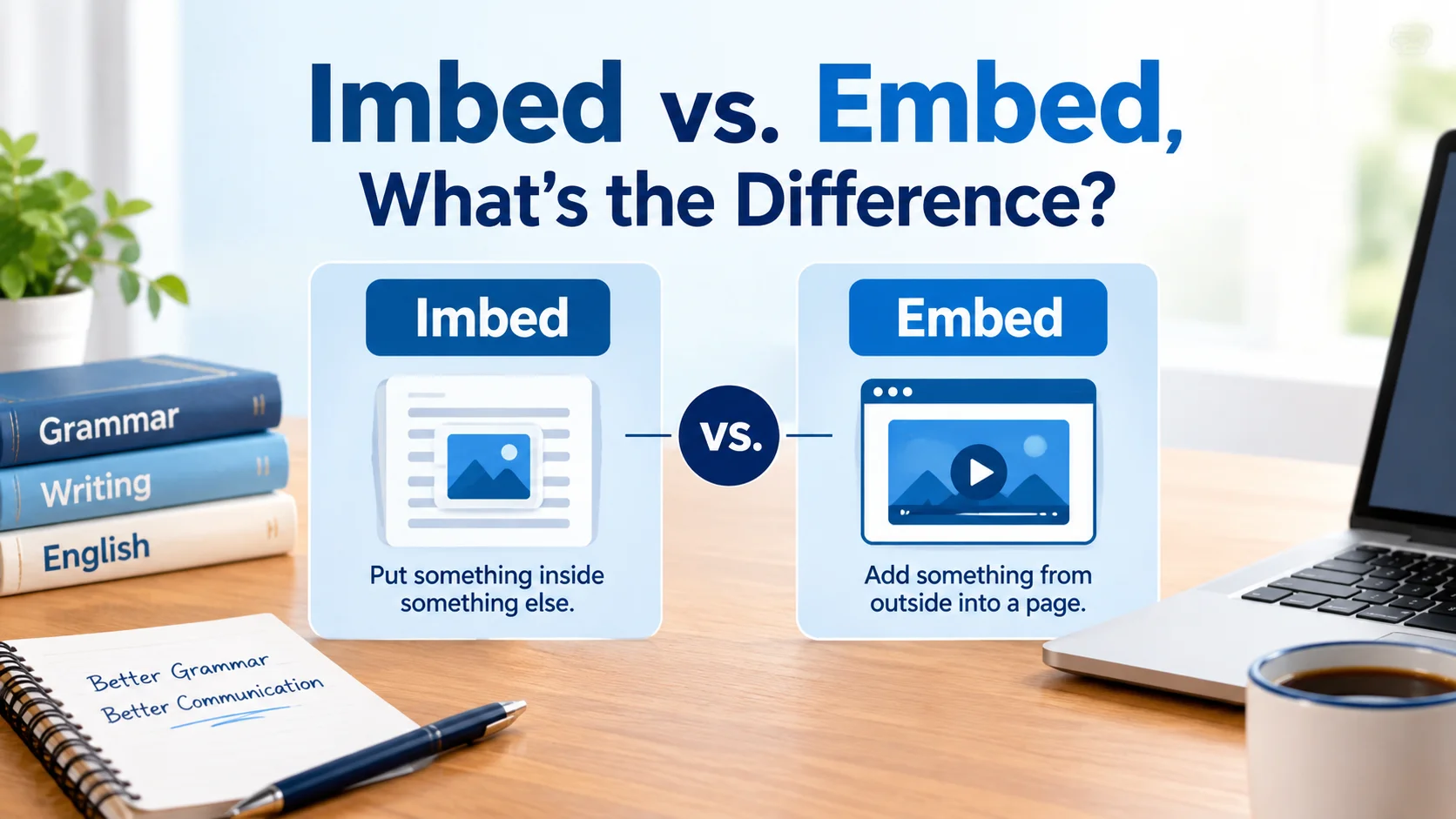
Imbed vs. embed is a common English usage question, especially in writing about technology, media, education, and communication. Both forms are recognized English words, and … Read More
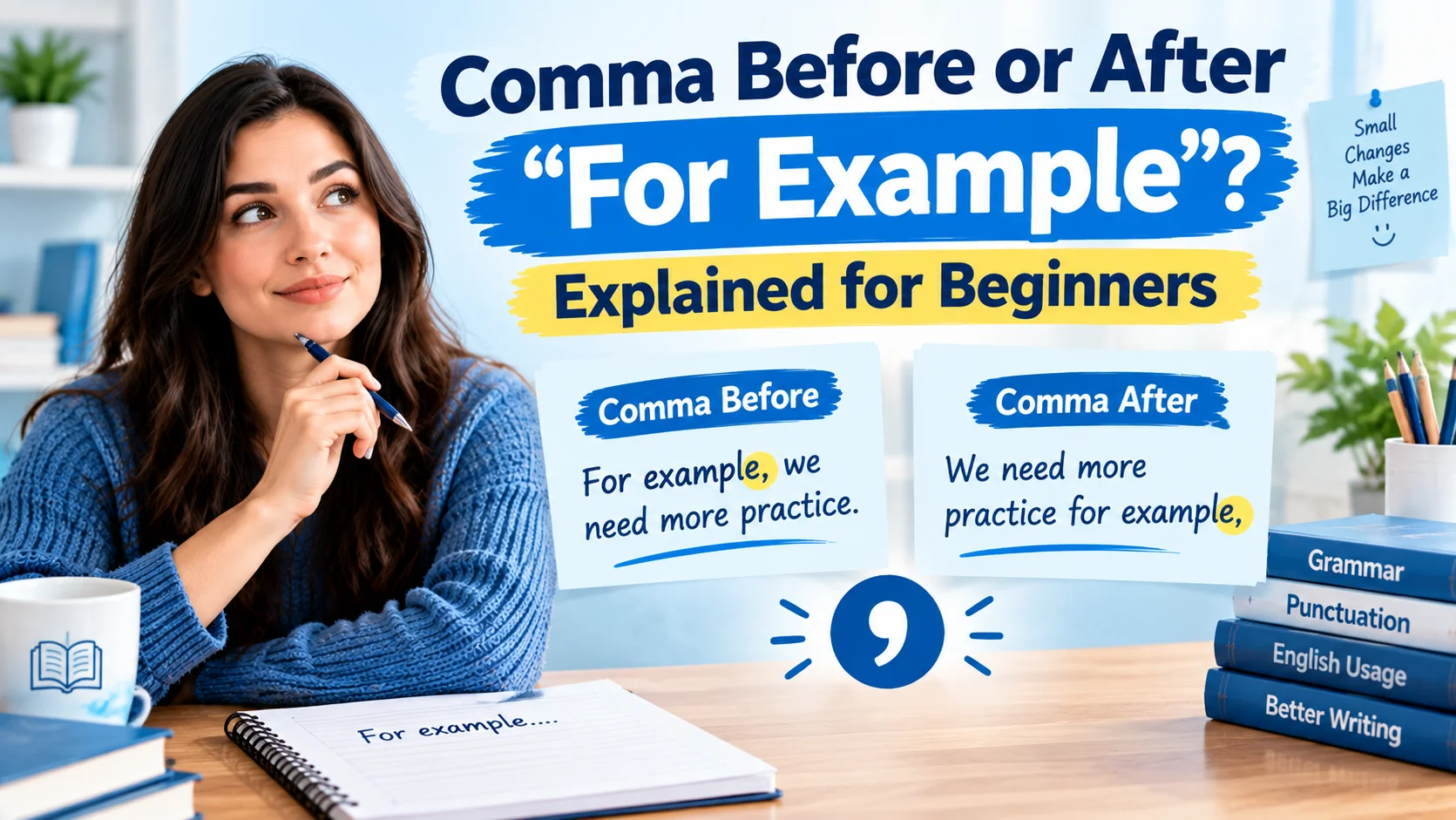
Comma placement can make a sentence easier to understand, especially when using the phrase “for example.” Many writers know what “for example” means but hesitate … Read More

Have a question, suggestion, or need help understanding something? We’d love to hear from you. Whether you want to share feedback, ask about our content, or report an issue, feel free to reach out.
Contact Us© Grammer Atlas