
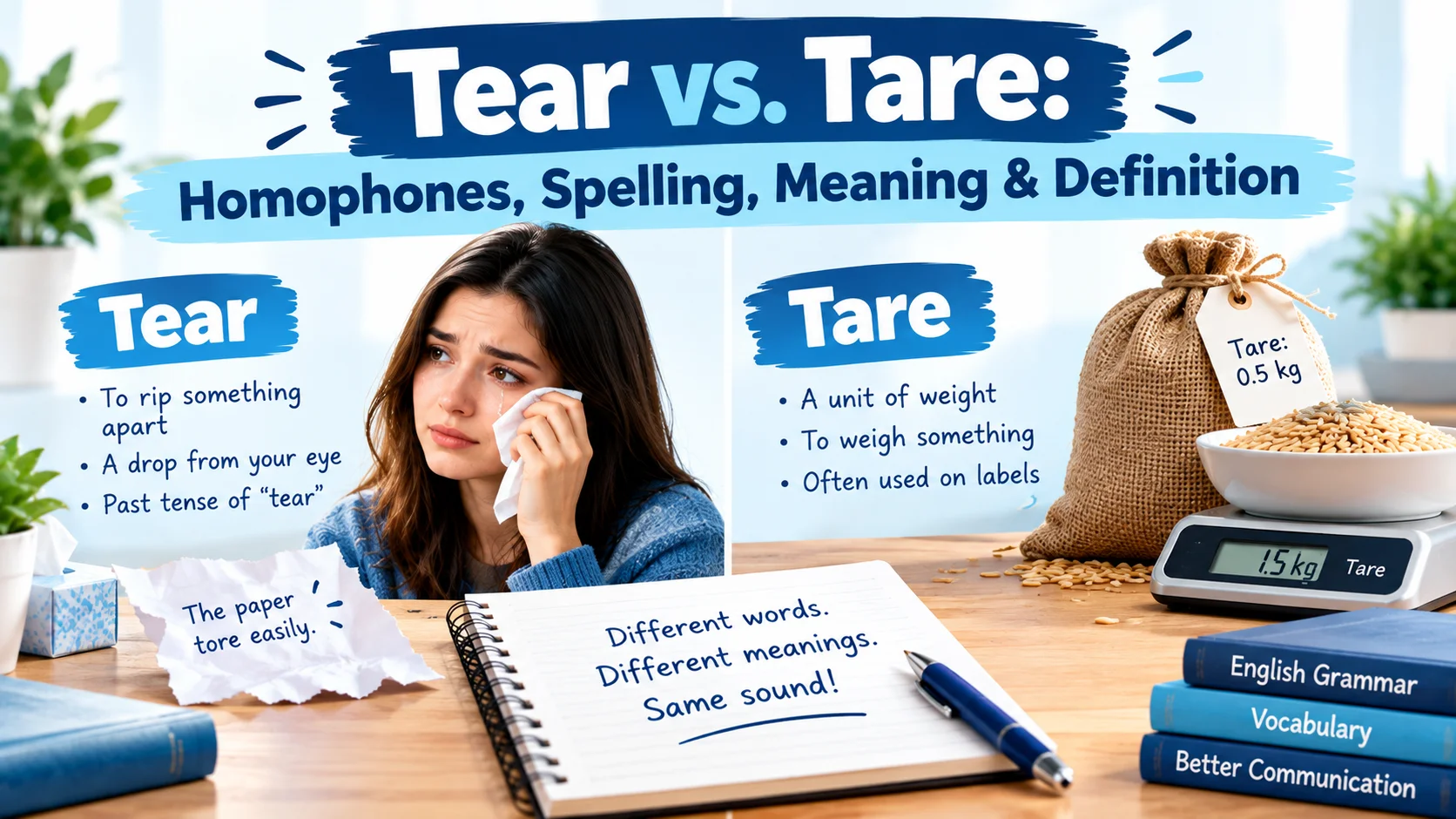
Tear vs. Tare: Homophones, Spelling, Meaning & Definition
Tear vs. tare are classic English homophones, words that can sound alike while having completely different spellings and meanings. The confusion becomes even greater because … Read More
Tear vs. tare are classic English homophones, words that can sound alike while having completely different spellings and meanings. The confusion becomes even greater because … Read More
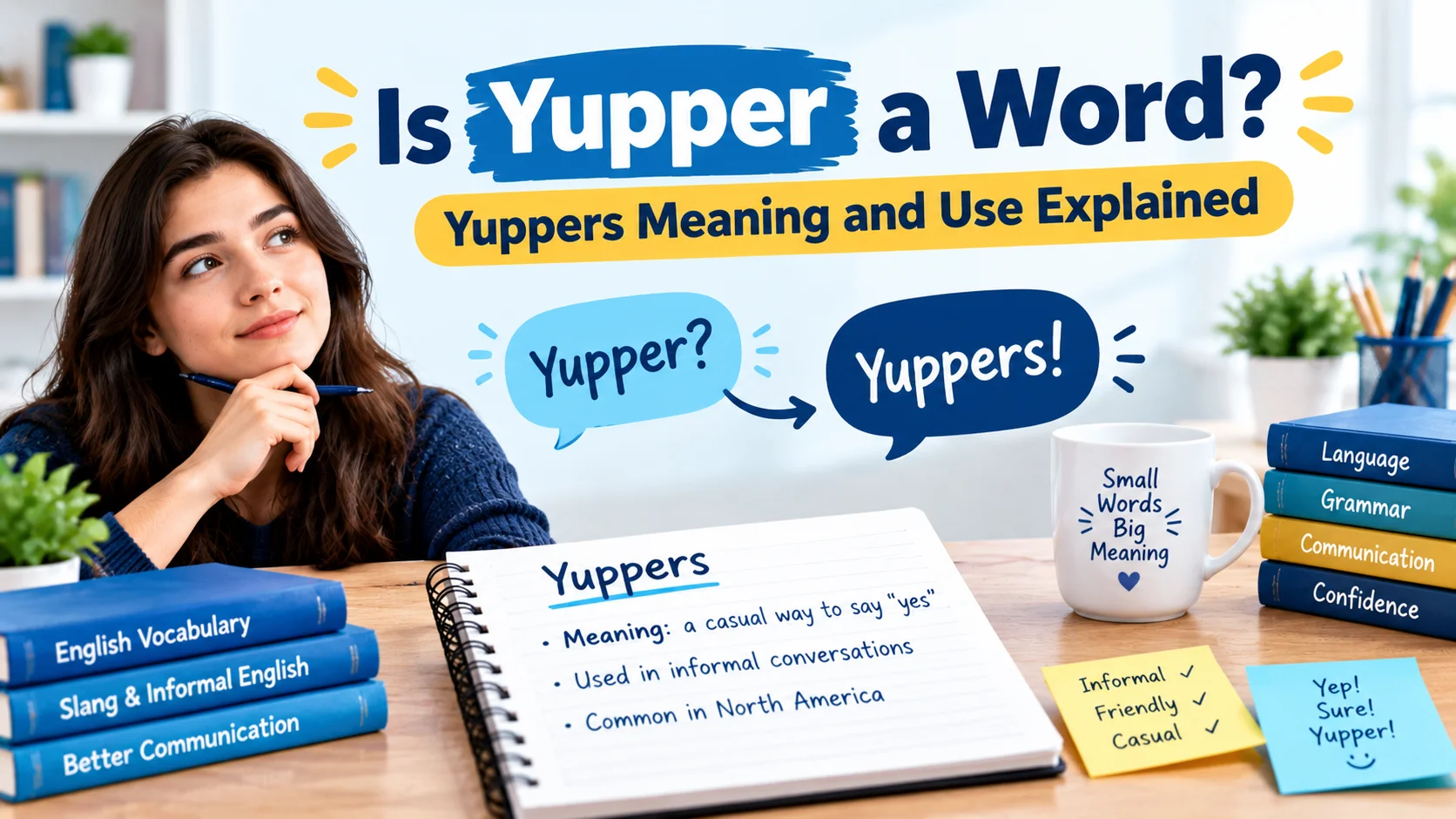
If you have seen someone reply “Yupper!” or “Yuppers!”, you may have wondered, is yupper a word, or is it simply a playful spelling of … Read More

Who else or whom else? This question causes confusion because both forms can appear in English, but they do not serve exactly the same grammatical … Read More
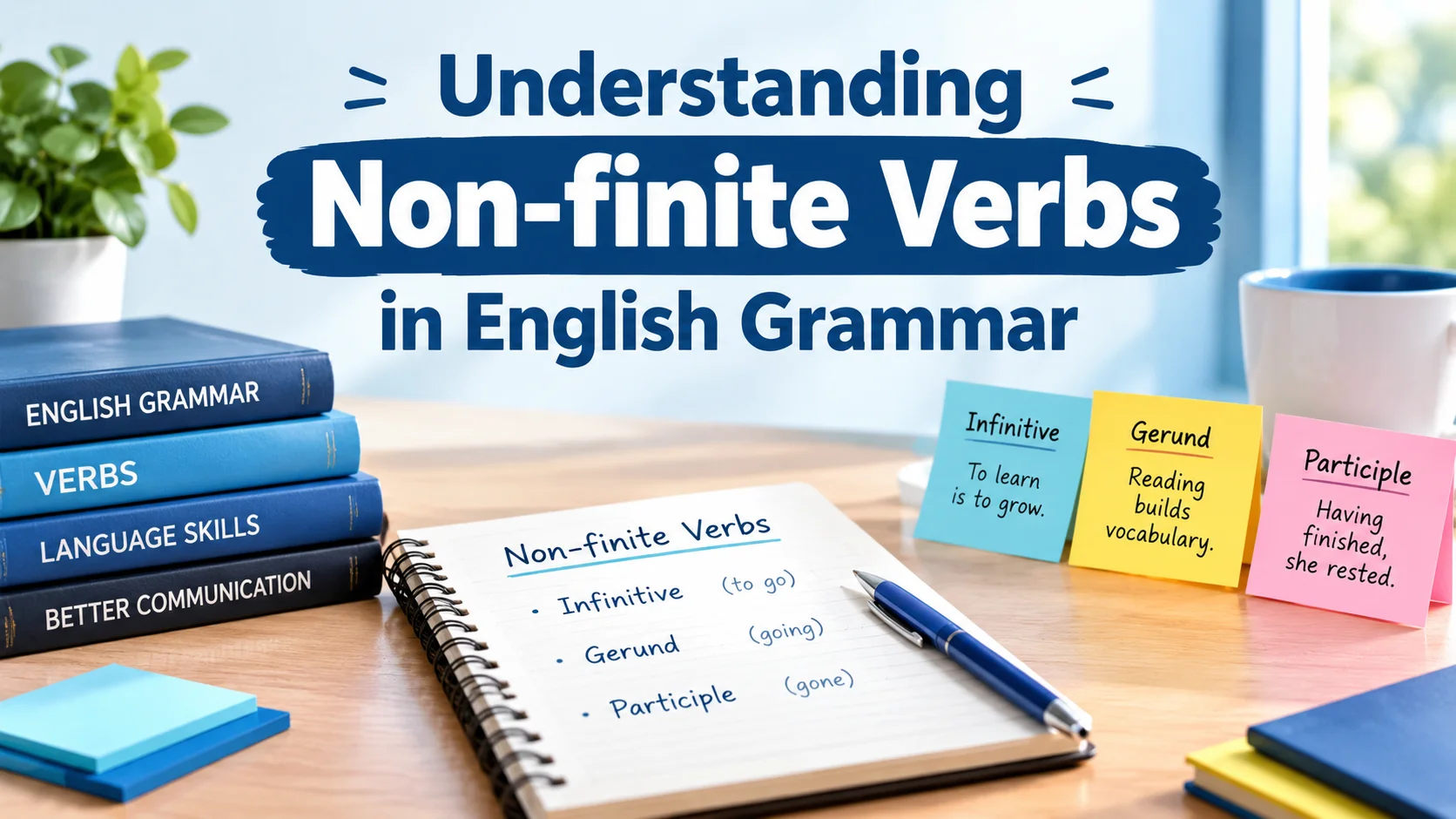
English verbs do more than show actions. They also help us understand time, possibility, purpose, description, and relationships between ideas. One important group is non-finite … Read More

Day off and off day look almost identical, but they do not always mean the same thing. The difference becomes clear when you focus on … Read More

Some of whom is the standard correct form when a relative pronoun follows the preposition of and refers to people. The phrase some of who … Read More

“Hi there” is a common English greeting used to acknowledge someone in a friendly, casual, and approachable way. It combines the simple greeting “hi” with … Read More
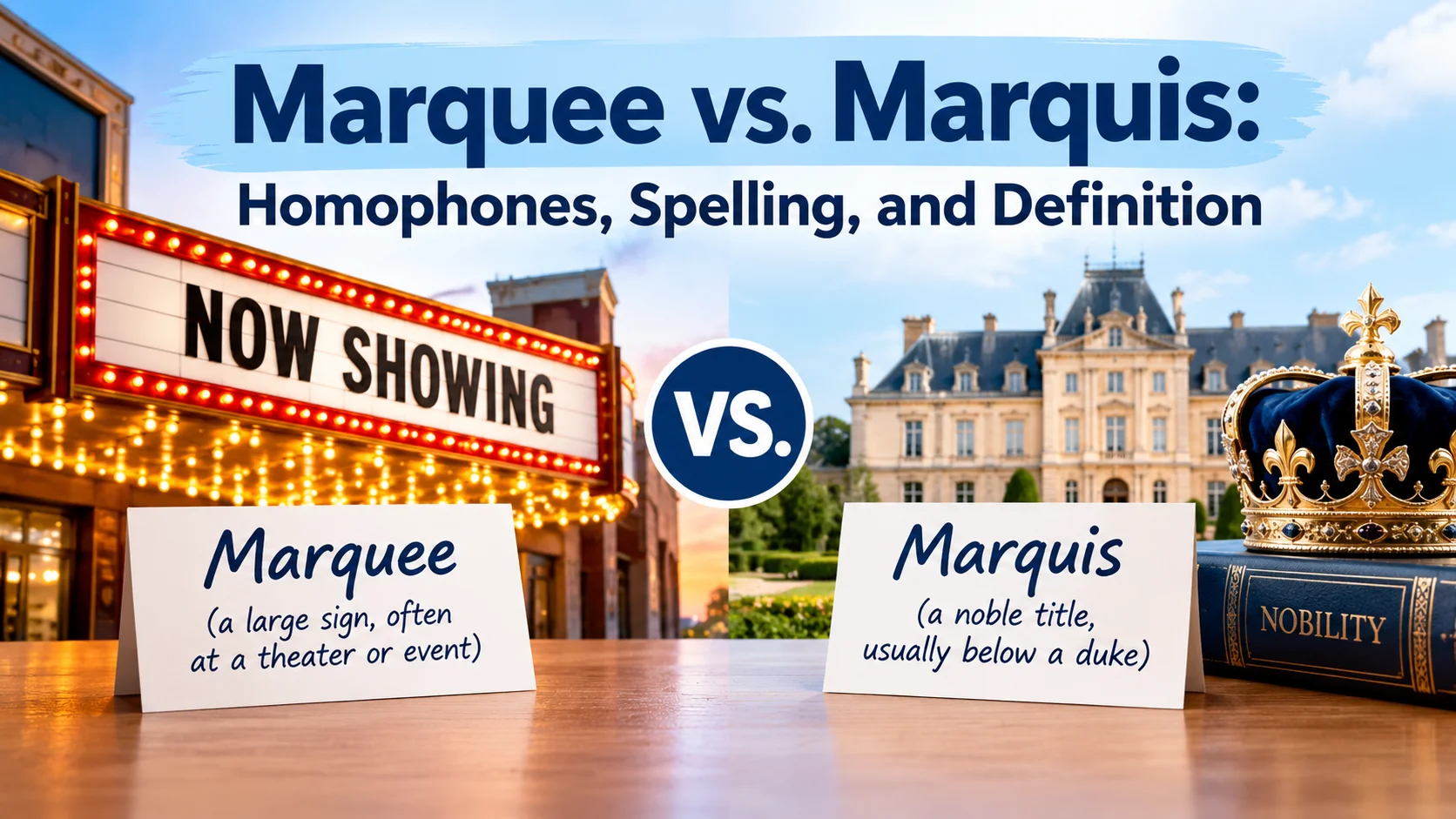
Marquee vs. Marquis are two words that often confuse because they can sound very similar in English, especially in some accents. However, their spellings, meanings, … Read More

Choosing between in and within can seem simple until the sentence involves time, location, limits, or boundaries. Both words can describe something that exists inside … Read More

Choosing between “there has been” and “there have been” can seem surprisingly difficult. Both expressions are common, both refer to something that happened or existed … Read More

Have a question, suggestion, or need help understanding something? We’d love to hear from you. Whether you want to share feedback, ask about our content, or report an issue, feel free to reach out.
Contact Us© Grammer Atlas