

Team Which, Team Who, or Team That: Unraveling the Grammar Conundrum
When you write “team which,” “team who,” or “team that,” choosing the correct relative pronoun can feel surprisingly complicated. The confusion exists because … Read More
When you write “team which,” “team who,” or “team that,” choosing the correct relative pronoun can feel surprisingly complicated. The confusion exists because … Read More
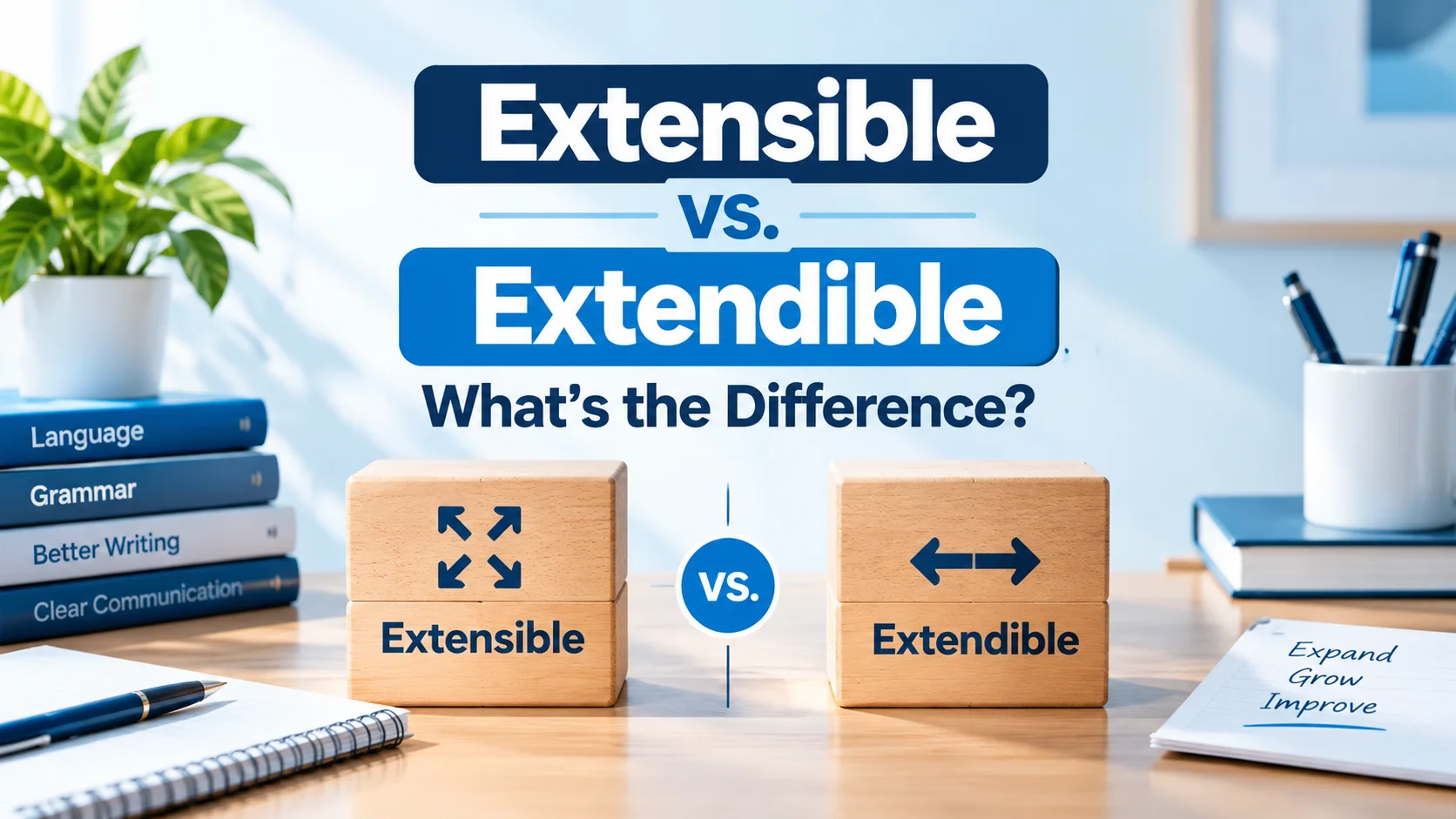
Extensible vs. extendible is a common word-choice question, especially in technical writing, software documentation, business communication, and formal English. Both words are legitimate … Read More

If you have ever seen someone write “soo” instead of “so,” you may have wondered whether both spellings are correct. The confusion is … Read More
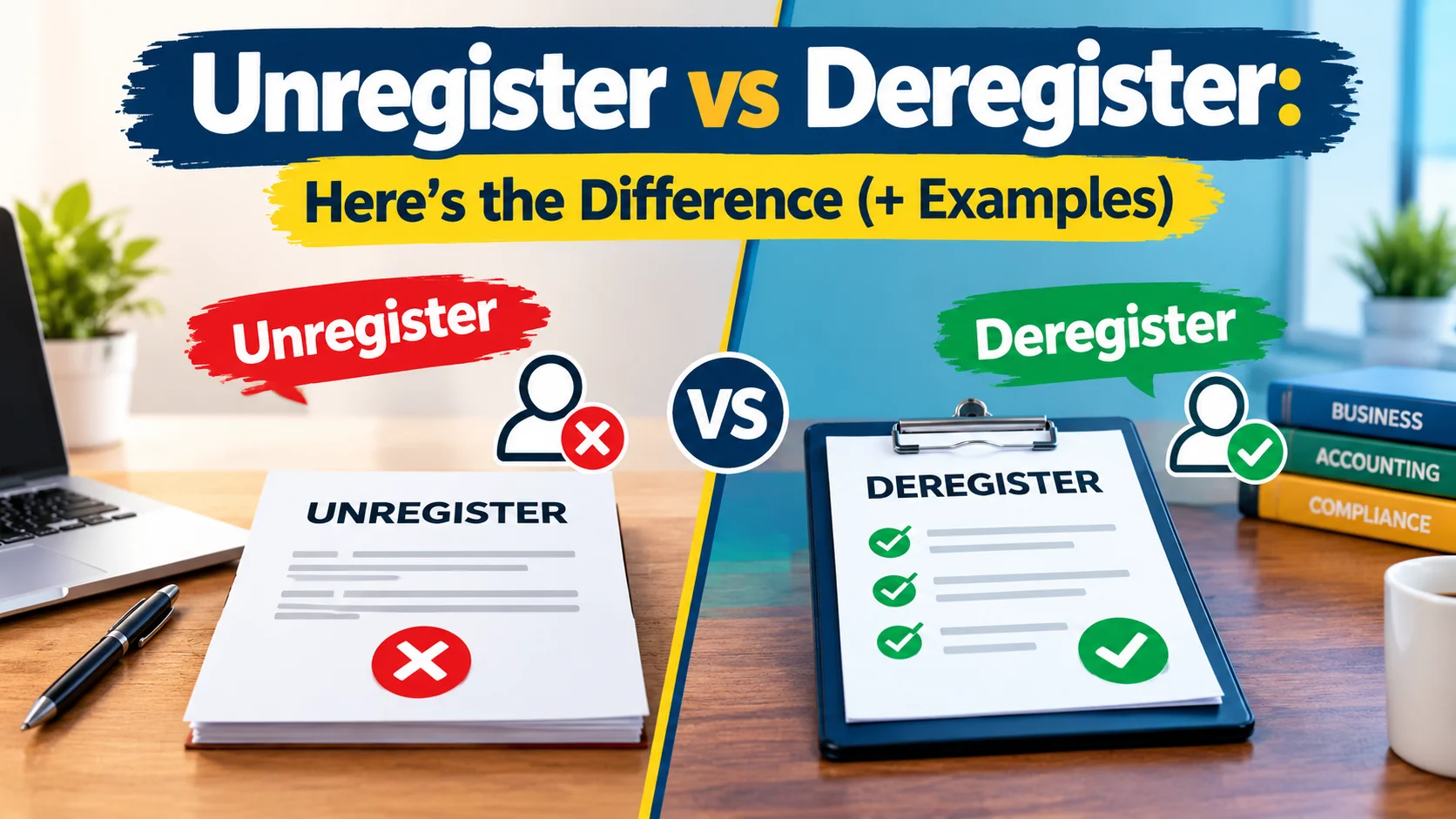
The words unregister and deregister look almost identical, and in many situations, people use them interchangeably. Both can describe the act of removing … Read More

Choosing between invision and envision may seem like a small spelling decision, but it can make a noticeable difference in polished English. If … Read More

Choosing between “its self” and “itself” can seem like a tiny grammar issue, but it is one that often causes unnecessary confusion. The … Read More

“When I can” and “when can I?” look almost identical, but they perform different grammatical jobs. The difference comes mainly from word order, … Read More

If you have ever written “mine as well” or “mind as well,” you may have wondered whether either spelling is correct. The answer … Read More

Yes, “absolutely true” is grammatically correct and widely used in natural English. The phrase combines the adverb “absolutely” with the adjective “true” to … Read More

To fast or too fast? These expressions may look almost identical, but they have completely different grammatical roles. The correct choice depends on … Read More

Have a question, suggestion, or need help understanding something? We’d love to hear from you. Whether you want to share feedback, ask about our content, or report an issue, feel free to reach out.
Contact Us© Grammer Atlas