

Whole Day or All Day, Which Is Correct? With Examples
Whole day and all day are both correct expressions in English, but they are not always interchangeable. The difference is mainly about how you view … Read More
Whole day and all day are both correct expressions in English, but they are not always interchangeable. The difference is mainly about how you view … Read More

Prescribe and proscribe look and sound remarkably similar, but they carry opposite ideas in many contexts. This makes prescribe vs. proscribe a common vocabulary problem, … Read More
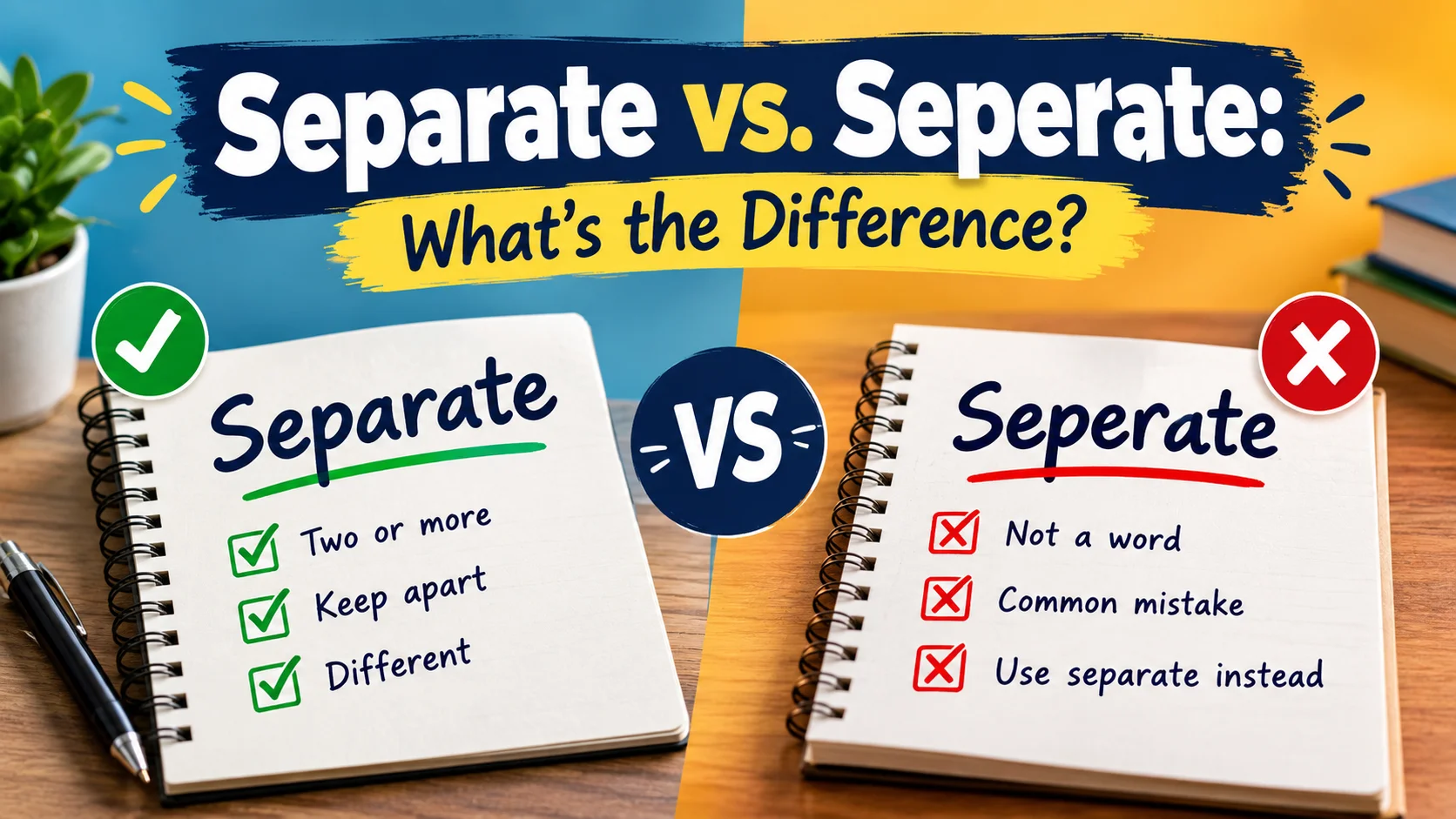
Separate vs. seperate is one of the most common spelling questions in English. The two forms look almost identical, and they sound nearly the same … Read More
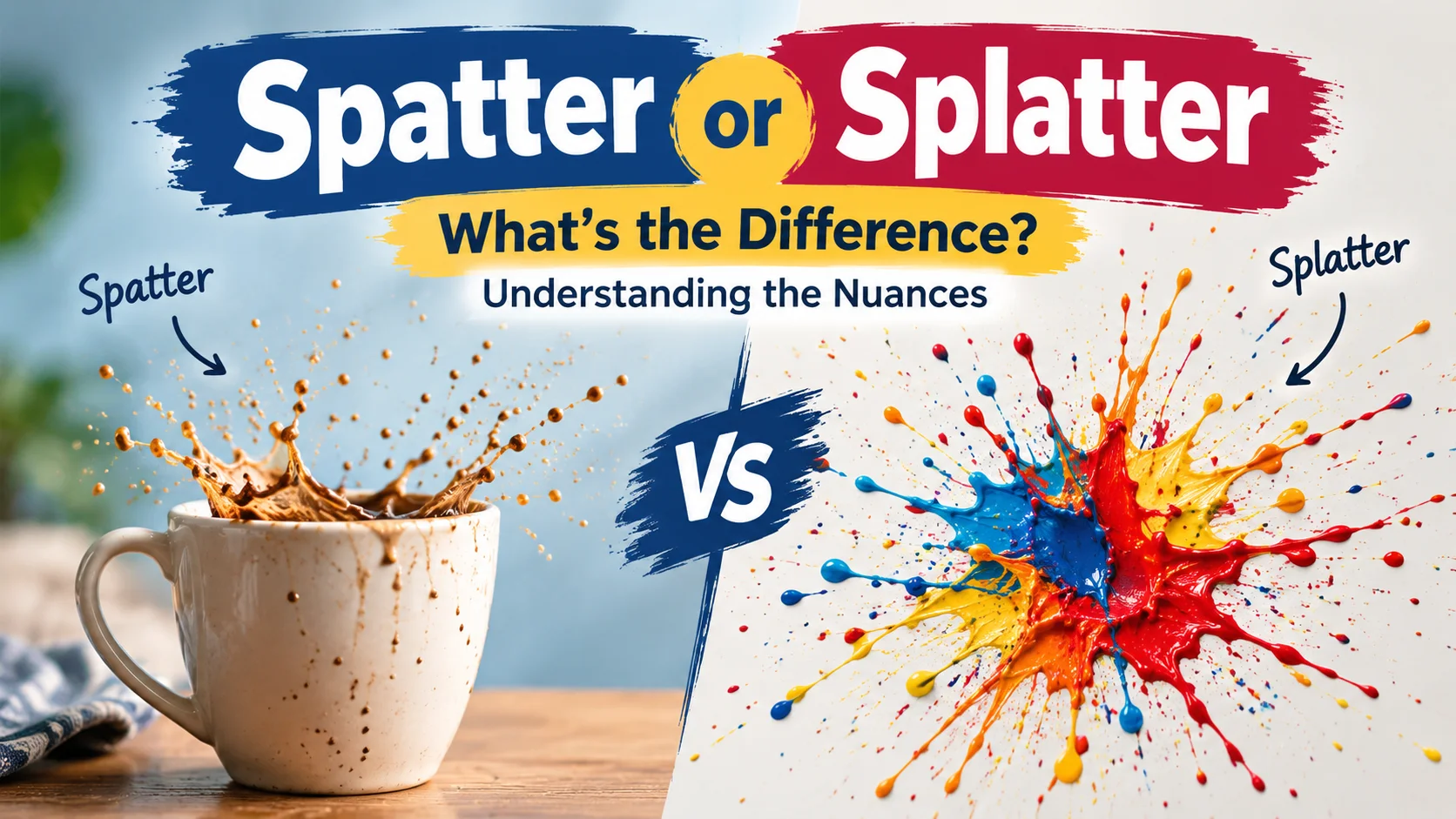
Spatter or splatter can look like a simple spelling variation, but the two words have slightly different histories, associations, and patterns of use. Both can … Read More

“Inquiring minds want to know” is a familiar English expression used when people are curious and want an answer. It usually suggests that someone is … Read More

If you have ever paused over “she has” or “she have,” you are not alone. Both forms contain the same basic verb, but only one … Read More

Leapt or leaped are both correct forms of the past tense and past participle of the verb leap. The main difference is not grammar, meaning, … Read More

The terms cartel and mafia are often used interchangeably in movies, news reports, books, and everyday conversations. However, they do not describe the same type … Read More

“My father and I” and “my father and me” are both grammatically correct, but they do not belong in the same sentence patterns. The correct … Read More

Giving or given can look confusing because both words come from the verb give, but they perform different grammatical jobs. Choosing the right form depends … Read More

Have a question, suggestion, or need help understanding something? We’d love to hear from you. Whether you want to share feedback, ask about our content, or report an issue, feel free to reach out.
Contact Us© Grammer Atlas